
CJ7 MNCG: TRAINING, SKILLS DEVELOPMENT AND OPERATIONAL ADAPTATION
The CJ7 Branch is responsible for the planning, coordination and delivery of CIMIC training, ensuring coherence with NATO doctrine and responsiveness to emerging operational needs. Embedded within a deployable Command, CJ7 operates in an environment where training and operations are closely interconnected. Within this framework, the Branch develops and delivers each year a comprehensive programme of courses aimed at maintaining and enhancing professional standards, while fostering interoperability in a joint and multinational environment.
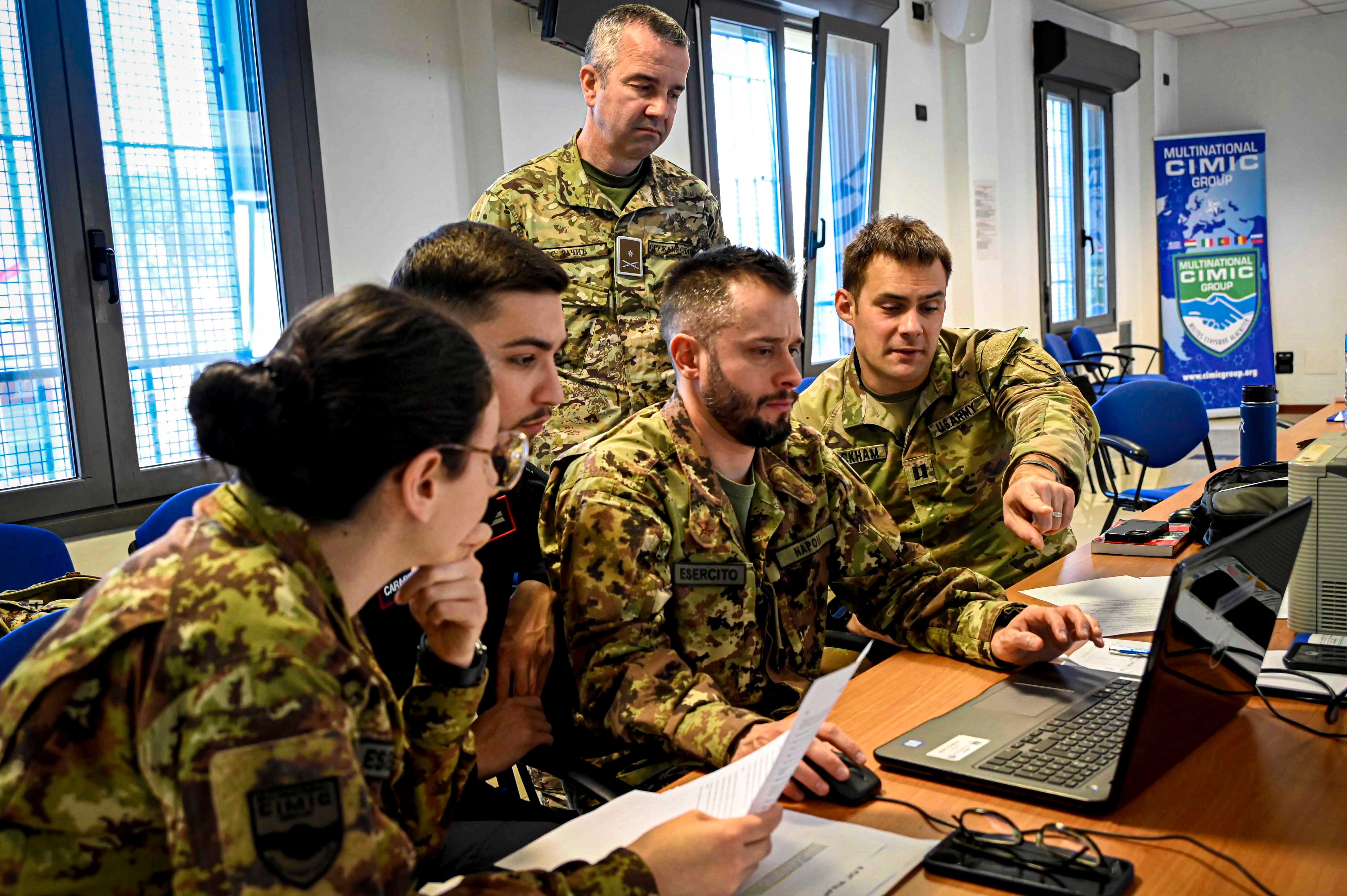
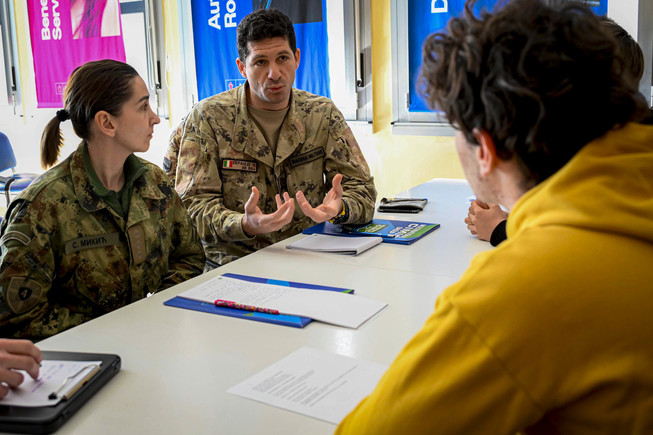
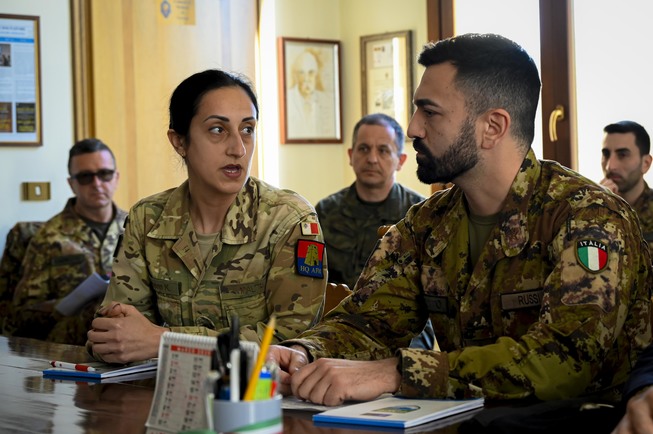
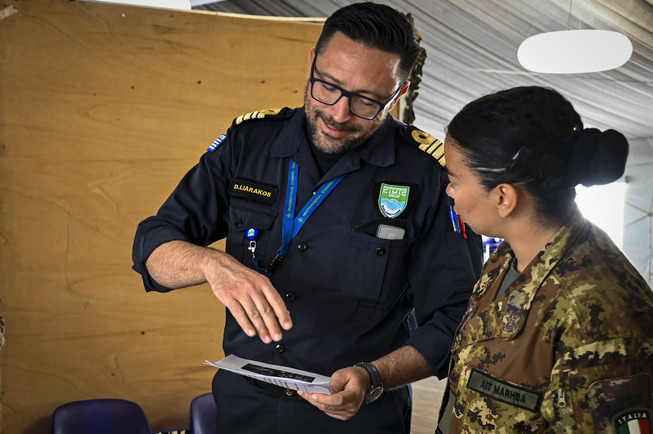
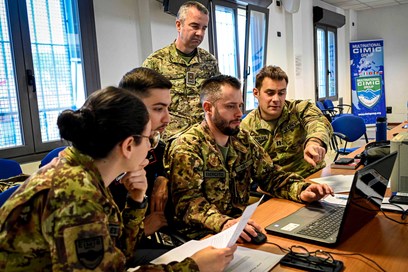
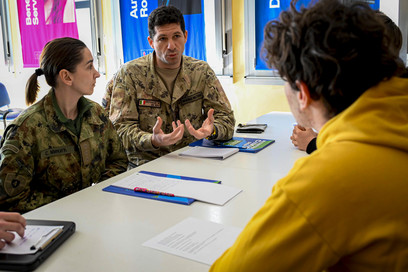
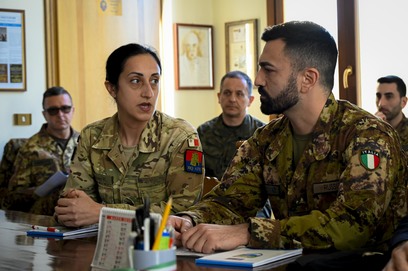
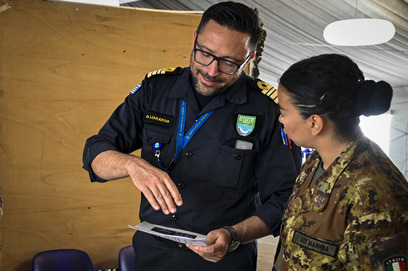
During the year, the MNCG training portfolio included seven CIMIC courses covering the full spectrum of competencies required by the function, from introductory to advanced levels. Training activities involved more than 200 civilian and military participants from numerous Allied and Partner Nations, confirming the international dimension of the education delivered.
A defining feature of CJ7’s approach is its continuous attention to the evolving operational environment. Courses are designed to address the challenges posed by modern crisis and conflict scenarios, with particular emphasis on the integration of the civil dimension into military decision-making processes, cooperation with non-military actors, and the ability to operate in complex, multi-domain environments.
As highlighted by the CJ7 Course Director:
“CIMIC training must evolve alongside the operational environment. It is essential to provide pathways that enable personnel to understand and manage increasingly complex civil dynamics, while remaining fully integrated within planning and operational processes.”
Within the broader NATO transformation context, CJ7 has progressively integrated digital tools and innovative approaches into its training programmes, aimed at improving analytical capabilities, understanding of the operational environment and the speed of decision-making processes. Particular attention has been devoted to the contribution of emerging technologies in enhancing situational awareness and planning support.
The value of the training offer has been further strengthened by the contribution of numerous guest speakers and external instructors from academia, international organisations, United Nations agencies, the International Committee of the Red Cross and Allied military units. This has enriched the courses with multidisciplinary perspectives and operational experience drawn from a variety of contexts.
The MNCG headquarters at “Mario Fiore” Barracks in Motta di Livenza has provided a training environment well suited to a dynamic and interactive educational approach, fostering professional exchange and network-building among participants.
Looking ahead, CJ7 intends to further strengthen and adapt its training offer, maintaining close alignment with Alliance requirements and the evolving strategic context. As underlined by the MNCG Commander:
“Training is a key enabler of CIMIC effectiveness. The added value of the MNCG lies in its ability to link training activities with operational experience, ensuring that developed competencies are immediately applicable in real-world contexts.”
Overall, CJ7 activities depict a training model focused on practicality, interoperability and operational readiness, contributing to the preparation of CIMIC personnel capable of meeting current and future challenges of the Alliance.
Photo gallery
NATO E-LEARNING

Please use this page to access NATO/partner online courses.
OUR MAJOR MULTINATIONAL PARTNERS